Date: 25 June 2026
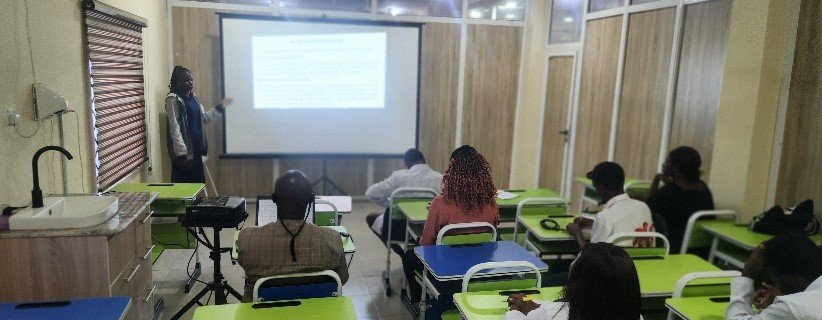
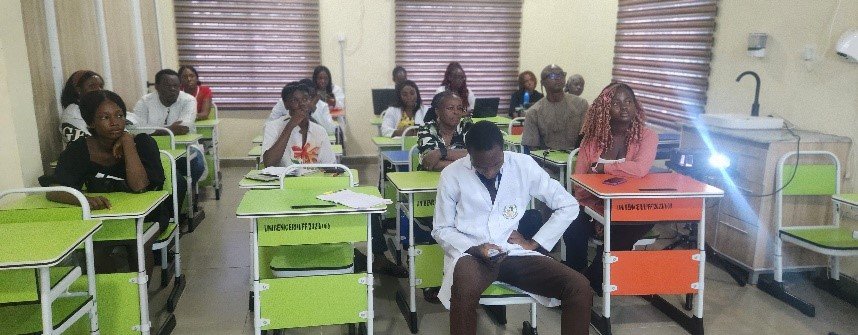
On 25 June 2026, the CERHI Research and Molecular Laboratory hosted a presentation session in which students undertaking their internships and industrial training showcased the knowledge, practical competencies, and research experiences they gained during their placements. The event provided a platform for students to demonstrate their understanding of advanced laboratory techniques, research methodologies, biosafety practices, and molecular diagnostic procedures while highlighting the impact of hands-on laboratory exposure on their professional development.
The presentations reflected the laboratory’s commitment to equipping students with practical skills that complement their academic training and prepare them for careers in biomedical research, public health, molecular diagnostics, and laboratory sciences.
Throughout the session, students delivered well-structured presentations covering the various experimental procedures and laboratory techniques they were exposed to during their internship. They explained the scientific principles behind each technique, outlined the methodologies employed, discussed the applications of the experiments in research and disease diagnosis, and shared the challenges and lessons learned from working in a modern molecular laboratory.
The major experimental areas presented included:
Polymerase Chain Reaction (PCR) and Molecular Diagnostics
Presentations highlighted the theoretical basis and practical applications of Polymerase Chain Reaction (PCR) in amplifying genetic material for research and disease diagnosis. Students discussed PCR workflow, reagent preparation, thermal cycling conditions, quality control measures, interpretation of amplification results, and the significance of molecular diagnostics in detecting infectious diseases and genetic markers.
Gel Electrophoresis
Students demonstrated their understanding of agarose gel electrophoresis as a technique for separating and visualizing DNA fragments. They explained gel preparation, sample loading, electrophoretic separation, staining procedures, and interpretation of DNA banding patterns for molecular analysis.
Laboratory Biosafety and Biosecurity
A significant aspect of the presentations focused on biosafety and biosecurity practices observed throughout the internship. Students discussed laboratory safety protocols, the proper use of personal protective equipment (PPE), waste segregation and disposal, decontamination procedures, risk assessment, and compliance with standard operating procedures designed to ensure safe laboratory operations.
Microbiological Techniques
Students presented their experiences with aseptic techniques, microbial culture methods, media preparation, inoculation procedures, incubation practices, colony characterization, and laboratory quality assurance measures necessary for accurate microbiological investigations.
Sample Collection, Processing, and Storage
The presentations emphasized best practices in specimen collection, labeling, transportation, processing, preservation, and storage. Students highlighted the importance of maintaining sample quality and traceability to ensure reliable laboratory outcomes.
Laboratory Equipment Operation and Maintenance
Students demonstrated familiarity with the operation and routine maintenance of essential laboratory instruments, including micropipettes, centrifuges, biosafety cabinets, vortex mixers, thermocyclers, incubators, spectrophotometers, and other specialized molecular laboratory equipment. They stressed the importance of equipment calibration, preventive maintenance, and adherence to operational guidelines.
Quality Assurance and Quality Control
Several presentations focused on laboratory quality management systems, emphasizing internal quality control procedures, documentation, record keeping, standard operating procedures, and the implementation of quality assurance measures to produce accurate, reliable, and reproducible laboratory results.
Data Management and Scientific Reporting
Students also highlighted the importance of proper laboratory documentation, data recording, analysis, interpretation, and scientific reporting. They discussed how accurate record keeping contributes to research integrity, reproducibility, and effective communication of scientific findings.
Following the presentations, an interactive discussion session allowed supervisors, laboratory scientists, researchers, and fellow participants to engage with the presenters through questions, observations, and constructive feedback. The students demonstrated confidence in responding to scientific inquiries and reflected critically on their internship experiences, indicating a strong grasp of both theoretical concepts and practical laboratory applications.
The presentations showcased the significant progress made by the students in developing technical competence, critical thinking, problem-solving abilities, teamwork, and professional ethics. Their experiences underscored the value of experiential learning in bridging the gap between classroom instruction and real-world laboratory practice.
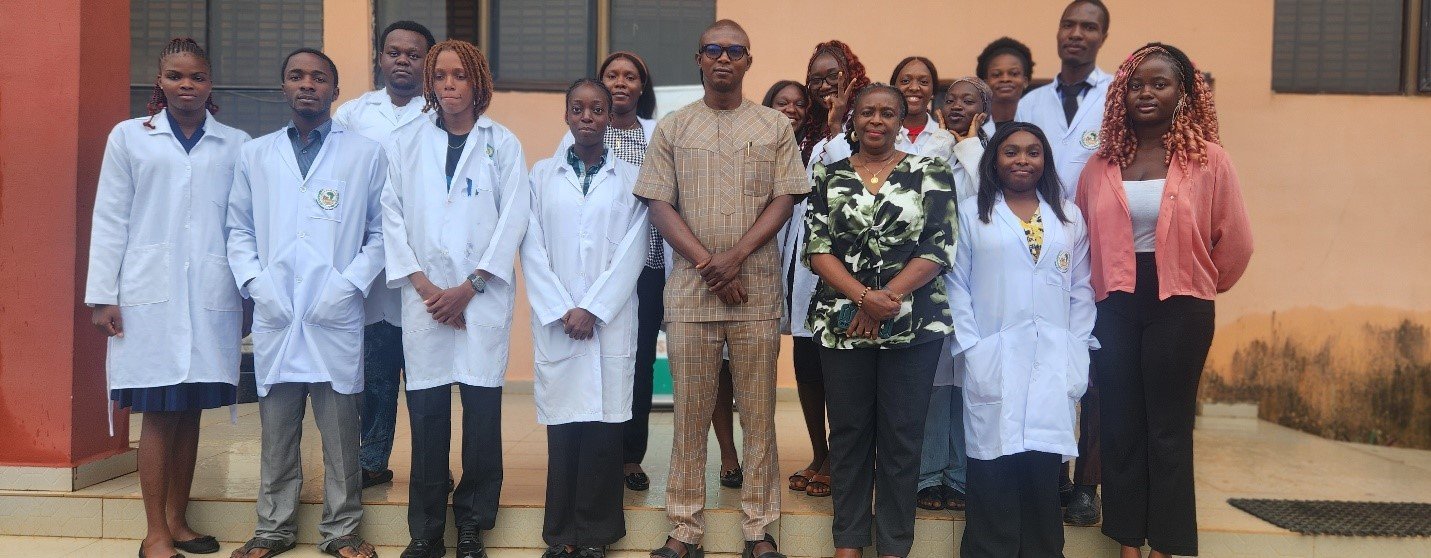
In closing, the management and research team of the CERHI Research and Molecular Laboratory commended the students for their dedication, enthusiasm, professionalism, and commitment throughout the internship programme. They encouraged the participants to continue strengthening their research capacity, uphold high laboratory standards, and apply the skills acquired toward advancing scientific innovation, public health, and evidence-based research.
The presentation session concluded with words of appreciation to the laboratory supervisors Dr. Fidelis Okolafor, mentors, researchers, and technical staff, whose guidance and mentorship contributed immensely to the successful training of the interns. The event reaffirmed CERHI Research and Molecular Laboratory’s commitment to excellence in research training, capacity building, and the development of the next generation of competent scientists and laboratory professio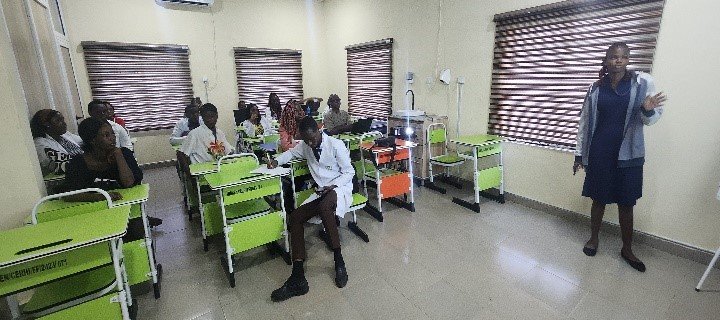
 nals.
nals.